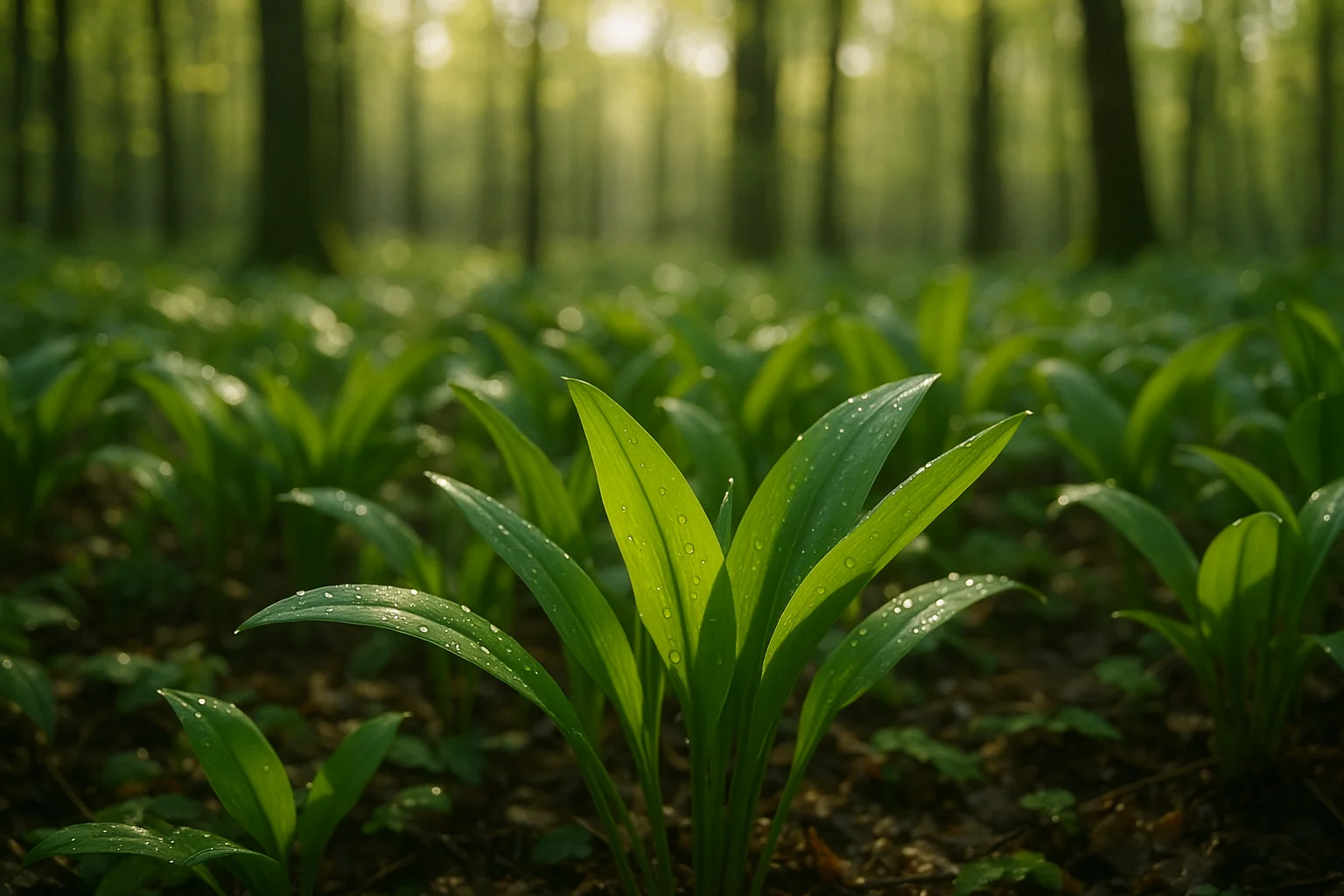
Spring in Central Europe is the best time for foraging: wild herbs are young, tender, and packed with nutrients. But foraging without knowledge is Russian roulette. Wild garlic and lily of the valley grow in the same spots, and a mix-up can be fatal.
TL;DR: These 12 plants can be safely identified with a little practice. For each one, you get three clear identification features, the confusion risk, and a usage idea. Golden rule: 100% certain or leave it standing.
Safety Rules for Foraging
Before you head out: these rules are not optional. They protect you from poisoning and from trouble with the law.
- 100% rule: Only harvest what you have identified with 100% certainty. No guessing, no tasting. When in doubt, leave it.
- Clean locations: Don't collect near roads, railway embankments, conventional fields (pesticides), or dog-walking paths. Minimum 30 m distance from roads.
- Small bunch rule (German BNatSchG): You may collect a small bunch for personal use. Not commercially, not by the basketful, not protected species.
- Nature reserves: Foraging is prohibited in nature reserves. Check whether your collection area is protected before heading out.
- Sustainable harvesting: Never strip all plants from one location. Leave at least one third so the population can recover.
Life-threatening danger
Autumn crocus and lily of the valley are fatally toxic and are regularly confused with wild garlic. People die from this mix-up in Germany every year. When collecting wild garlic, check EVERY single leaf.
The 12 Plants: Identification, Confusion Risk, Use
Each plant has three identification features to remember. If all three match, you're safe. If one is missing, leave the plant alone.
| Plant | 3 Features | Confusion Risk | Use |
|---|---|---|---|
| 1. Wild garlic | Garlic smell when crushed, single leaves from ground, matte leaf surface | Lily of the valley (glossy, 2 leaves/stem), Autumn crocus (no smell!) | Pesto, butter, soup |
| 2. Stinging nettle | Opposite leaves, stinging hairs, square stem | None dangerous | Spinach substitute, tea, chips |
| 3. Ground elder | 3x3 leaf shape, triangular stem, parsley scent | Hemlock (stinks, red spots on stem) | Salad, lemonade, pesto |
| 4. Dandelion | Leaf rosette, yellow flower, milky sap in all parts | None dangerous | Salad, syrup, coffee substitute (root) |
| 5. Ribwort plantain | Parallel leaf veins, elongated leaves, flower spike | None dangerous | Cough tea, wound healing (leaf on stings) |
| 6. Chickweed | Opposite leaves, white star flowers, single hair line on stem | None dangerous | Salad, smoothie, pesto |
| 7. Ground ivy | Lip-shaped purple flowers, round stem, creeping | None dangerous | Herb butter, chocolate, tea |
| 8. Garlic mustard | Garlic smell, heart-shaped leaves, white 4-petaled flowers | None dangerous | Pesto, salad, spread |
| 9. Sorrel | Arrow-shaped leaves, sour taste, reddish stems | None dangerous | Salad, soup, sauce (in moderation, oxalic acid) |
| 10. Yarrow | Finely pinnate leaves, firm upright stem, white umbel | Cow parsley (harmless) | Tea, salad, wound healing |
| 11. Elder flowers | Large white umbels, pinnate leaves, intense sweet scent | Dwarf elder (stinks, toxic) | Syrup, sparkling wine, fritters |
| 12. Sweet woodruff | Whorled leaves (6-8 per whorl), white flowers, coumarin scent when dried | None dangerous | May wine, syrup, desserts (sparingly, coumarin) |
The Most Dangerous Mix-ups in Detail
Most wild herbs in Central Europe are harmless. But there are three mix-ups that can land you in the hospital or worse:
- Wild garlic vs. Lily of the valley vs. Autumn crocus: Wild garlic: single matte leaves, smells of garlic when crushed. Lily of the valley: 2 leaves per stem, glossy surface, no garlic smell. Autumn crocus: leaves wrap around stem, no smell, glossy. Confusion with autumn crocus is often fatal.
- Ground elder vs. Hemlock: Ground elder: triangular stem, smells like parsley, 3x3 leaf. Hemlock: round stem with red spots, unpleasant mousy smell, hollow stem. Hemlock is fatally toxic (Socrates died from it).
- Elder vs. Dwarf elder: Black elder: tree/shrub, sweet-smelling flowers, upward-pointing umbels. Dwarf elder: herb (under 1.5 m), unpleasant smell, upright fruit clusters. Dwarf elder is toxic and causes severe vomiting.
Usage: What You Can Make From Your Wild Herbs
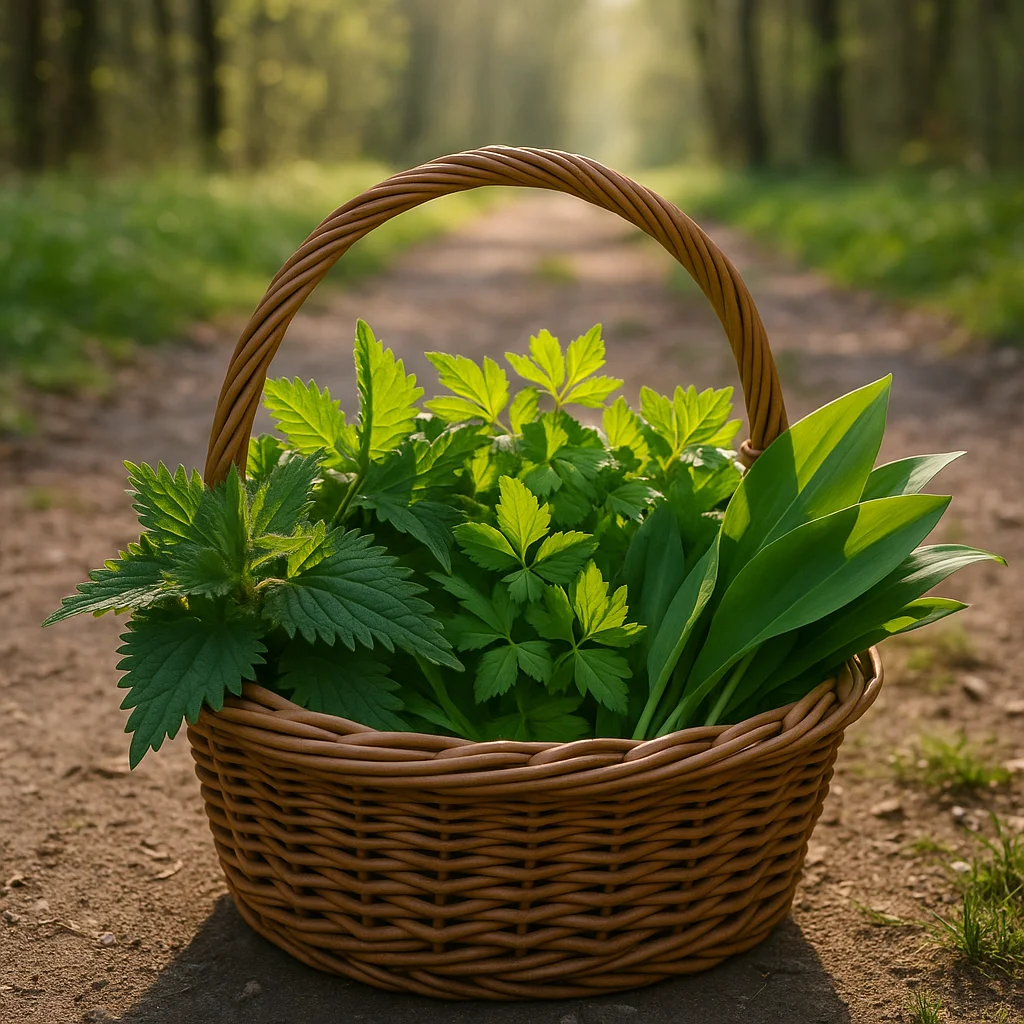
Wild herbs aren't emergency food, they're delicacies. Here are the most common preparations:
- Salad: Dandelion, chickweed, sorrel, ground elder, garlic mustard. Harvest young, dress with vinaigrette. Tastier and more aromatic than store-bought salad.
- Spinach substitute: Nettles, ground elder, ground ivy. Briefly blanch (30 seconds), drain, toss with butter and garlic. More nutritious than leaf spinach.
- Pesto: Wild garlic, garlic mustard, ground elder. Blend with pine nuts (or walnuts), parmesan, and olive oil. Keeps 2-3 weeks in the fridge.
- Tea: Nettle (diuretic), ribwort plantain (cough suppressant), yarrow (digestive). Fresh or dried, pour boiling water over, steep 10 minutes.
- Syrup: Elder flowers or dandelion flowers with sugar and lemon. Makes an aromatic syrup for lemonade or desserts.
Tip
Start with the three safest plants: stinging nettle, dandelion, and ribwort plantain. All three have no dangerous look-alikes and grow practically everywhere. Once you can identify these three reliably, work your way up to the others.
Foraging Rights in Germany: What's Allowed
The German Federal Nature Conservation Act governs what you may collect and where. The rules are straightforward but not universally known:
- Small bunch rule: Wild plants may be collected in small quantities for personal use. A small bunch or handful per species is the common interpretation.
- Protected species: Certain plants are under special protection and may not be collected. None of the 12 plants in this guide are restricted.
- Nature reserves: All foraging is prohibited in nature reserves. This applies even to nettles and dandelions. Fine: up to 50,000 EUR.
- Private land: Only with the owner's permission on private property. Public paths and meadows are generally freely accessible.
Note
Collecting for personal use is different from commercial harvesting. If you want to sell wild herbs at a market, you need authorization from the relevant authority and must comply with food hygiene regulations.
Frequently Asked Questions About Foraging Wild Herbs
When is the best time to forage in spring?
March to May for most leaf herbs (wild garlic, nettle, ground elder). May to June for flowers (elder, yarrow). Collect in the morning after dew has dried, when essential oil content is highest.
Do I need to wash wild herbs?
Yes, always wash thoroughly. Not because of toxins, but because of fox tapeworm eggs that can adhere to ground-level plants. 30 seconds under running water is sufficient. Cooking/blanching reliably kills parasites.
How do I learn to identify plants safely?
Start with a good field guide. Attend a guided herb walk in your region. ID apps (Flora Incognita, PlantNet) are a good supplement but should never be the sole basis for your decision.
Can I freeze or dry wild herbs?
Both work. For drying: hang in an airy, shaded spot or use a dehydrator at 35-40 degrees. For freezing: blanch, shock in cold water, freeze in portions. Pesto freezes well in ice cube trays.
Is fox tapeworm a real risk?
The risk is statistically low (10-20 cases per year in Germany), but the disease is serious. Thorough washing and cooking/blanching eliminates the risk. Plants above 50 cm height are rarely affected.