TL;DR
Vanlife in Europe costs 1,200-1,800 EUR/month ongoing, plus 23,000-55,000 EUR upfront (vehicle + conversion). Wild camping is illegal or heavily restricted in most countries. Most long-term vanlifers quit after 2-3 years or switch to a hybrid model.
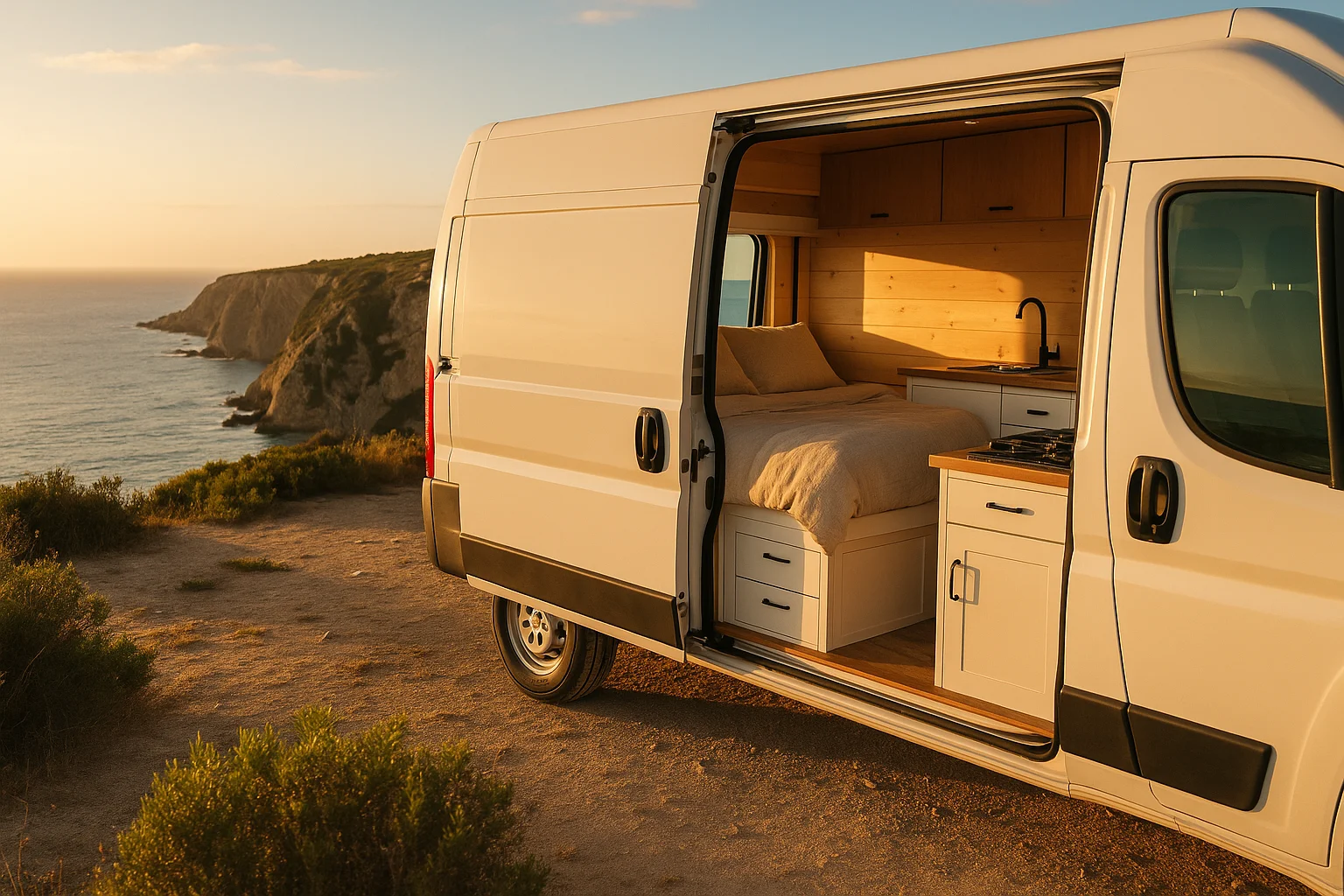
Vanlife on Instagram looks like permanent vacation: sunset by the sea, laptop with a view, freedom without limits. The reality? Searching for parking at 10 PM, condensation dripping from the ceiling, and wondering where you will shower tomorrow. This article shows you both sides.
We break down the real costs, explain the legal situation in 8 countries, and honestly tell you who vanlife works for long-term and who it does not.
The Real Costs: What Vanlife Actually Costs
Vanlife is cheaper than a city apartment but more expensive than most people think. Here is the honest math:
Upfront Investment
- Base vehicle (Sprinter, Crafter, Ducato used): 15,000-30,000 EUR
- Conversion (insulation, furniture, electrics, water): 8,000-25,000 EUR
- Total upfront: 23,000-55,000 EUR
Monthly Running Costs
| Item | Cost/Month |
|---|---|
| Diesel/fuel | 300-500 EUR |
| Vehicle insurance + tax | 80-150 EUR |
| Campsites / parking spots | 200-400 EUR |
| Food | 300-400 EUR |
| Repairs / maintenance (reserve) | 100-200 EUR |
| Internet (mobile data plan) | 50-80 EUR |
| Total monthly | 1,030-1,730 EUR |
Not included
Health insurance (approx. 200-400 EUR/month for self-employed), liability insurance, and personal expenses. Realistically you land at 1,200-1,800 EUR/month all-inclusive.
The Residency Problem: Almost Nothing Works Without an Address
In Germany, you need a registered address for: ID card, tax returns, health insurance, bank accounts, contracts. Without a registered address, you are officially homeless.
The common solutions:
- Registered address at family or friends: Legally fine as long as you theoretically have a room there. The simplest and free solution.
- Mail forwarding services: Providers like CGN Mailbox offer a legal address. Cost: 20-50 EUR/month. Note: not every registration office accepts this as a primary residence.
- Health insurance: You remain mandatorily insured with public health insurance, but they need an address. As self-employed, register with your mail address.
Where You Can Park: Overnight Rules in 8 Countries
The legal situation for overnight stays in a van varies considerably across Europe. Here is the current status:
| Country | Regulation | Practice |
|---|---|---|
| Germany | Not regulated | 1 night in public parking tolerated |
| France | Generally legal | Many communes ban it locally |
| Italy | Wild camping illegal | Aree di sosta (designated spots) as alternative |
| Spain | Region-dependent | Banned in many coastal towns |
| Portugal | Banned since 2021 | Heavy fines outside campsites (up to 350 EUR) |
| Austria | Wild camping illegal | Only at designated spots |
| Switzerland | Canton-dependent | Usually only 1 night tolerated |
| Sweden | Right to Roam | Does NOT apply to vehicles, only on foot/tent |
Portugal has changed
Since 2021, Portugal has been cracking down hard. The Algarve used to be a vanlife paradise; now you risk fines up to 350 EUR and being moved on. Many long-term vanlifers have shifted to Morocco or Greece.
Winter Reality: Why November to March Reveals the Truth
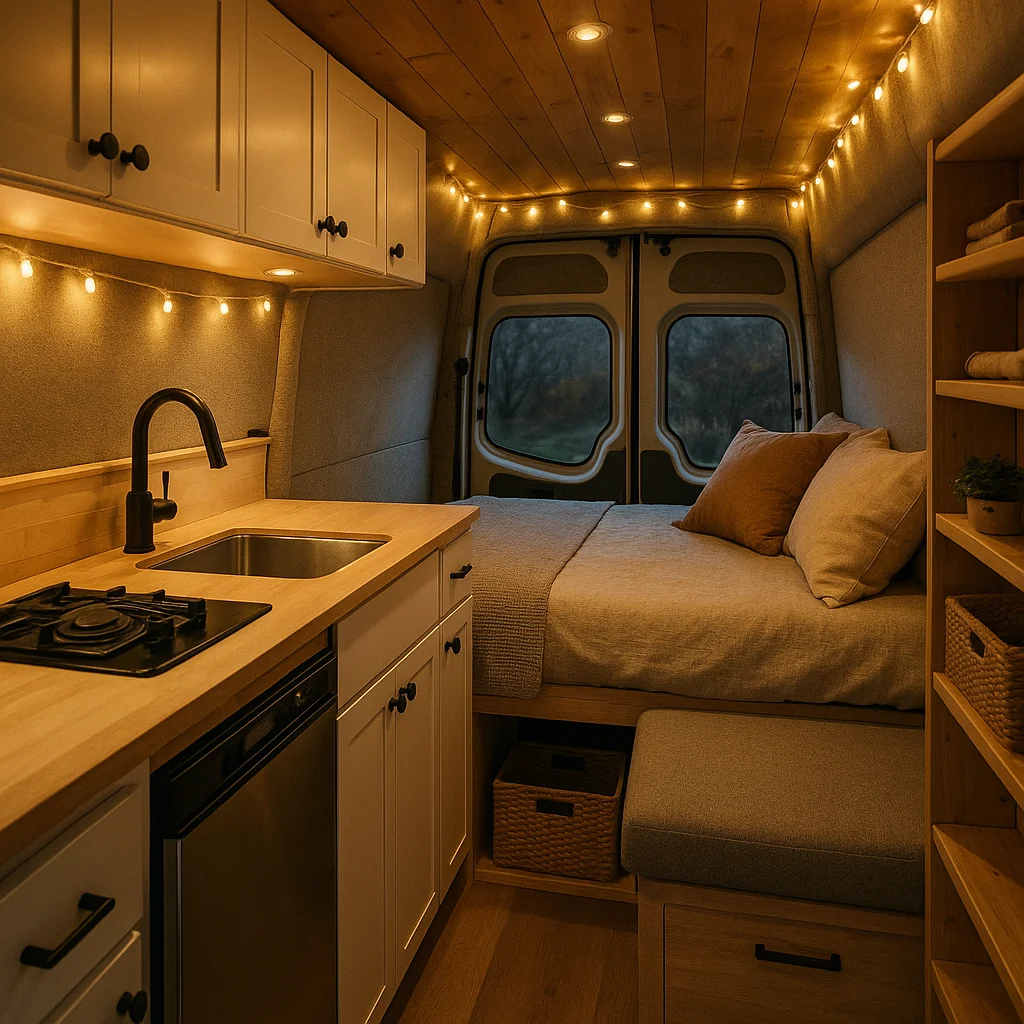
In summer, vanlife is a dream. In winter, it becomes a stress test. The problems nobody talks about:
- Diesel heater needs power: A parking heater uses 0.1-0.3 liters of diesel per hour and needs a functioning battery. At -10 degrees, it runs 12+ hours a day.
- Condensation: You produce 1-2 liters of moisture per night from breathing and cooking. Without good ventilation, your van gets moldy within weeks.
- Short days, little solar: In December, your solar panels in Northern Europe deliver only 1-2 hours of charging. The battery barely covers laptop + heater + lights.
- Isolation: Few open parking spots, hardly any other vanlifers around, short days. Winter loneliness is the reason many quit.
The solution most long-term vanlifers use: head south in winter (Spain, Morocco, Greece) or take a winter break with a fixed spot or sublet.
Who Does Vanlife Long-Term (and Who Quits After 2 Years)
The vanlife statistics are sobering: most quit after 1-3 years. Those who stay typically have this profile:
- Freelancers or remote workers, 30-45 years old, with stable income of 2,000+ EUR/month
- Couples without children (vanlife is more social as a pair and costs are shared)
- Seasonal workers traveling between gigs (ski season, harvest, tourism)
After 2-3 years, many switch to a hybrid model: a fixed base (cheap apartment or tiny house) plus the van for trips. This offers freedom without the daily compromises.
Honest advice
Rent a van for 4-6 weeks before buying one. In winter. If you still want it after that, you know what you are signing up for.
Frequently Asked Questions About Vanlife in Europe
Do I need a special driver's license?
For most campervans, a standard B license (up to 3.5 tons) is sufficient. Many converted Sprinters weigh 3.2-3.5 tons and are at the limit. Overloading gets expensive (fines up to 235 EUR). For larger vans, you may need a B96 or BE license.
Can I stay health-insured as a vanlifer?
Yes. As long as you are registered in Germany, you remain mandatorily insured. Within the EU, the EHIC card covers emergencies. For longer stays outside the EU, you need international health insurance (from 40 EUR/month).
What is the best vehicle for vanlife beginners?
The VW Crafter or Mercedes Sprinter (L2H2 or L3H2) is the classic choice. Fiat Ducato is cheaper but more rust-prone. For beginners, a used one under 150,000 km with an existing conversion is recommended. Self-building takes 3-12 months.
How do I find good parking spots?
Apps like Park4Night, iOverlander, and Caramaps show free and cheap spots. For longer stays, campsites with monthly discounts are worthwhile (from 300 EUR/month including electricity and water).
Can I live in a van with children?
Possible but demanding. Compulsory schooling exists in Germany, so you need a distance school or fulfill education requirements abroad. Space is the biggest challenge: with 3-4 people, you need at least a 7.5-meter van or motorhome.